
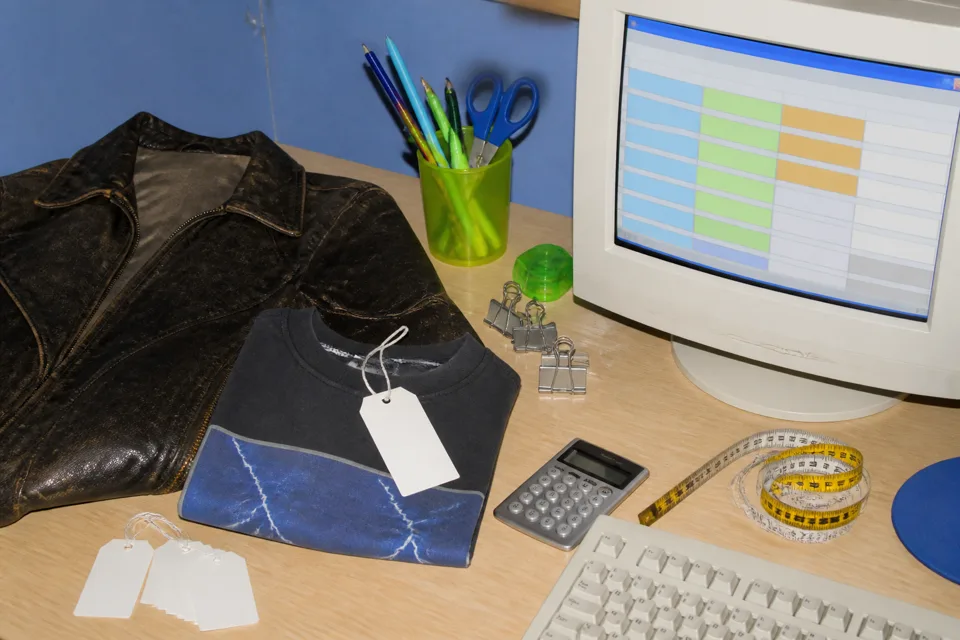
Price vintage on Vinted by working from the actual garment outward, not from the highest number you found in a late-night search. Start with brand, fabric, condition, measurements, era, and whether the piece has a buyer who can recognize it without being educated into it. Then look at comparable items, but separate asking prices from sales and separate truly similar pieces from things that merely share a decade. Finally, remember that the buyer sees shipping and Buyer Protection at checkout. A fair $28 vintage shirt can still feel expensive if the listing gives them no reason to trust it.
- Price the garment you have, not the fantasy version of it with a better tag and no flaws.
- Use comps as a range, then adjust for condition, measurements, urgency, and the buyer's checkout total.
- Leave a little room for an offer when the item invites negotiation; do not turn every listing into a garage-sale sign.
Start with the shirt in your hand
Before opening another tab, inspect the actual item. Is the tag useful or just old? Is the fabric unusually good? Does it have a real flaw? Are the measurements wearable now? Is the print, cut, or label something a buyer can identify? Vintage value lives in those details, not in the word vintage pasted onto a title.
A 1990s tee with a clean graphic, good fabric, and a current fit can be easier to price than a technically older shirt with stains, shrinkage, and a mystery chest measurement. Age matters. Wearability often matters more.
Build a range, not a verdict
Find five to ten relevant comparables and sort them in your head: same brand or type, same condition, same size reality, same level of desirability. Ignore the absurd asking price that has been sitting there since last winter. One sold listing is evidence, not a court ruling.
Your first price should land in a range where you can explain it. If the item is clean and scarce, start nearer the top. If it is ordinary, flawed, or poorly sized for today's buyer, start lower and make the listing easy to trust.
- Compare fabric, measurements, condition, and graphic or label before comparing the year.
- Do not copy a price from a different size, different condition, or different market.
- Separate listing prices from completed sales whenever you can.
Vinted checkout changes the low end
Vinted says sellers do not pay a selling fee, but the buyer pays shipping and Buyer Protection at checkout. That makes the buyer's mental math especially important on inexpensive items. A cheap item needs to feel like a useful find, a bundle piece, or something hard enough to replace that the final total still makes sense.
For a stronger vintage piece, the checkout total matters less than proof. Show the tag, measurements, fabric, and flaws. A buyer who trusts a $55 jacket is not buying a number; they are buying confidence that the jacket arriving is the jacket they wanted.
Use price changes like a seller, not a panic button
If a listing gets no favorites, start by checking the cover photo and title. If it gets favorites but no movement, inspect price, condition proof, and sizing. Make one meaningful change, then give buyers a chance to react. Five tiny price cuts in one afternoon only teach your closet that you are nervous.
Keep a simple record of the original price, adjustment, favorites, offers, and final sale. VintHelper's dashboard can make that Vinted-side review less scattered once there are enough listings to remember, but the judgment still begins with the garment.
FAQ
How much should I price vintage clothes on Vinted?
Use a range based on truly comparable pieces, then adjust for condition, measurements, fabric, desirability, and the buyer's final checkout cost. There is no useful universal vintage markup.
Should I price higher on Vinted to allow offers?
Leave modest room when an item is likely to invite negotiation, but do not make the initial price so optimistic that buyers never favorite it. The listing should still feel credible before an offer exists.
Why do my Vinted favorites not turn into sales?
The price may be near the buyer's limit, or the listing may leave a doubt about size, condition, or the final total. Review those before cutting the price again.